
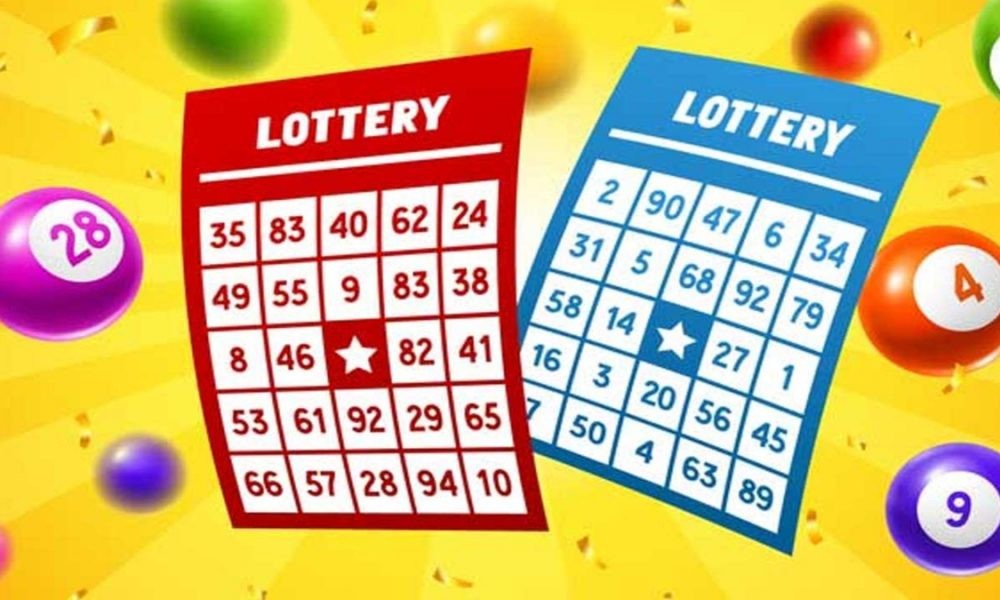
Draw patterns define how แทงหวย involvement moves across days, weeks, and months without losing consistency. Every opening that becomes available follows a pre-set timetable, and that timetable gives regular players a reliable framework to organise their entries around. Every online lottery operates within a structured model that balances draw frequency, submission periods, and result publication into a repeating sequence. That sequence, once understood, makes planning entries far easier without gaps or last-minute confusion.
Players who pay attention to how these patterns are built tend to maintain more consistent involvement across longer periods. Recognising when openings become available, how long they stay active, and what triggers their closure gives any player a clearer picture of how to position themselves within each opportunity.
Draw frequency structure
- Daily draw patterns – Daily draws run on a fixed 24-hour timetable, offering a fresh submission opening each morning or evening, depending on what an operator has set. These patterns suit players who prefer frequent involvement without committing to a single large weekly format. Results are published within the same 24-hour period, feedback on each entry comes quickly, and the next opportunity becomes available almost immediately after.
- Weekly draw patterns – Weekly draws concentrate involvement into a single designated opening that runs within a defined period each week. Most weekly formats publish outcomes on a fixed evening, giving players a clear target date to work toward. Longer gaps between openings mean more time to review previous outcomes and plan fresh combinations before the next collection period becomes active.
- Multi-format scheduling – Some frameworks run daily and weekly formats simultaneously, allowing players to engage across more than one timetable at the same time. Each format operates independently, with separate submission periods, separate result announcements, and separate involvement records. Moving between formats requires no additional registration and involves selecting a preferred opening before the relevant closure point arrives.
Involvement flow verification
- Entry confirmation process – Every combination submitted within an active period passes through a confirmation process before entering the verified pool. This process checks that the submission falls within the active timeframe, that the combination format matches the draw’s defined structure, and that fees have been successfully processed. A confirmed reference is issued once all three checks clear, giving the player a traceable record of their verified submission.
- KYC verification timing – Know your Customer verification sits at the foundation of structured lottery involvement. Most frameworks require identity documents to be submitted and approved before a player can access withdrawal functions or enter draws above defined thresholds. KYC checks run independently from draw timetables, meaning a player can complete verification at any point without it affecting access to active submission periods.
- 2FA access control – Two-factor authentication is increasingly integrated into timetable access rather than just login processes. Some frameworks require 2FA confirmation before a player can modify recurring submissions, cancel future entries, or adjust preferences within an active period. This additional layer ensures that changes to a personal involvement schedule are authorised by the registered holder rather than processed without verification.
Draw patterns and verification processes work together to create an involvement environment that feels both structured and secure. Players who engage with both layers, following timetables closely while keeping verification settings current, rarely encounter disruption. A clear timetable combined with verified access makes every available opening a genuinely reliable opportunity.